


Invest
Rubey connects retail investors to iconic assets starting from 250€ and provides qualified investors with curated opportunities starting from 25k€, all through a secure and regulated digital ecosystem.
WANT TO STAY INFORMED ABOUT RUBEY? SUBSCRIBE.
Rubey bridges the global cultural funding gap by transforming private capital into a sustainable engine for the public display and preservation of the world's most iconic assets.
At Rubey, we believe that art and collectibles carry a significance far beyond their financial value. They preserve stories, creativity, and identity across generations, serving as the essential fabric of our history. Investing in them means actively safeguarding the masterpieces that define our shared human experience.
Through our unique model, these works do not disappear into private vaults but remain visible to the public in leading museums. Every investment directly supports arts education, cultural participation, and the preservation of heritage, ensuring that the world's most important treasures remain exactly where they belong: on display.
For Rubey, true wealth transcends a simple percentage of return. It is the ability to generate financial value while simultaneously enriching society. A concept we call "Cultural Capital."

Rubey’s model ensures every project has a tangible footprint. By connecting investors and collectors with leading museums, we keep masterpieces in the public eye. This collaboration supports institutional research and education, ensuring that cultural heritage remains a living, breathing part of society rather than a hidden asset.
For established collectors, we offer a strategic alternative to private liquidation. Our structure provides immediate liquidity while ensuring a collection’s integrity and public presence. By transitioning private treasures to museum pedestals, collectors secure their legacy and contribute to the global cultural landscape for generations to come.
This synergy creates a true "win-win-win" for the cultural economy. Museums expand their reach without public funding, investors gain access to high-performance assets, and the public enjoys masterpieces that would otherwise remain unseen.

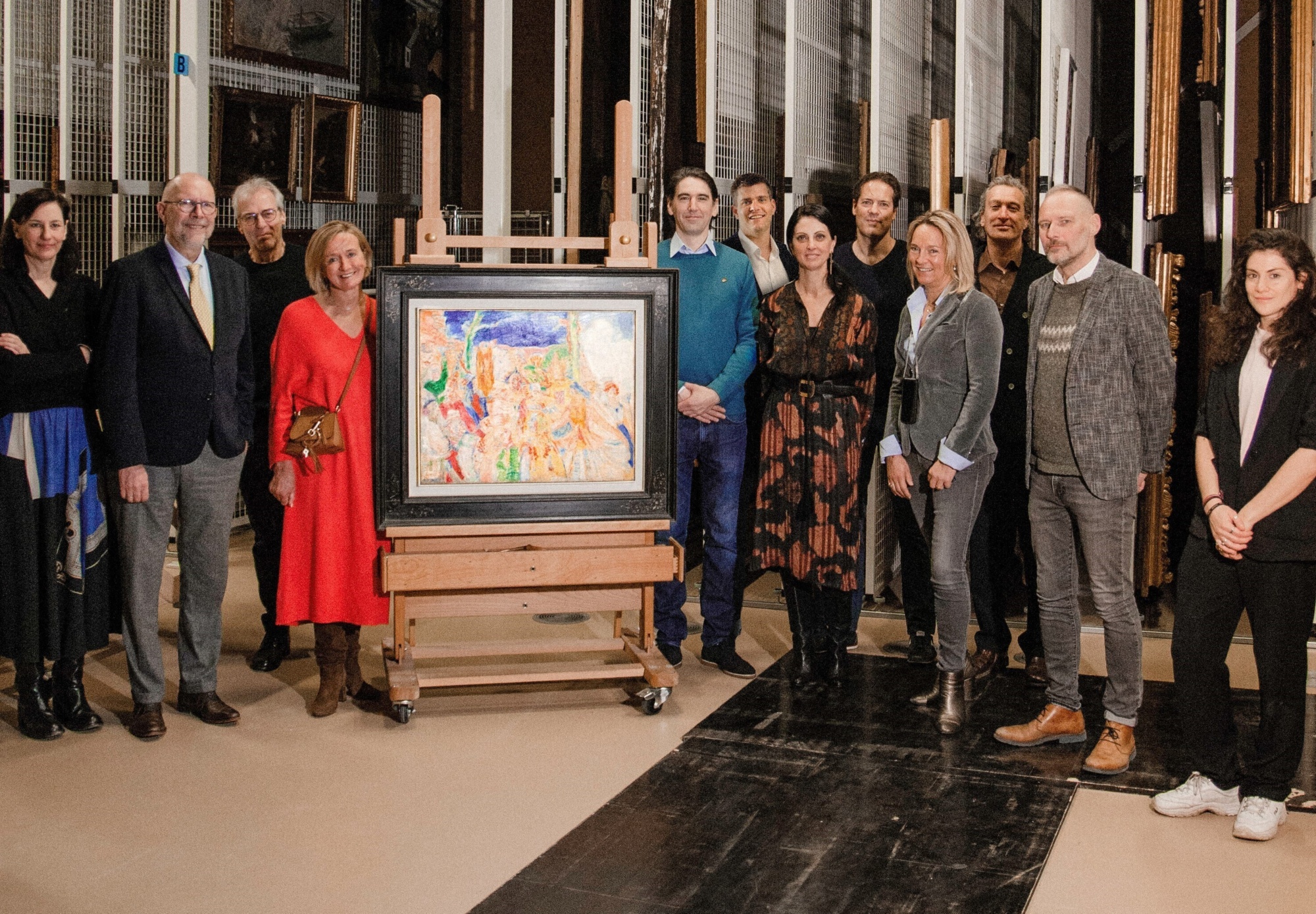
Together with the Royal Museum of Fine Arts Antwerp (KMSKA), Rubey realized the world’s first public fractional ownership of a museum-worthy artwork: Carnaval de Binche by James Ensor. Over 250 investors became co-owners of this masterpiece, ensuring its long-term public display and professional conservation at the KMSKA until at least 2031.
Following this success, Rubey partnered with Autoworld Museum Brussels to tokenize a pristine Mercedes 230 SL "Pagode". This project expanded our impact into the world of "rolling heritage," allowing enthusiasts and investors to co-own a classic automotive icon that remains on permanent display for the public to admire.
Building on these milestones, Rubey is scaling its mission to democratize cultural ownership. We are committed to a continuous growth strategy, launching a minimum of three new projects per year. This pipeline ensures a steady flow of diverse Icon and Collection opportunities across art, design, and heritage for our global investor community.

"There is always going to be more cultural heritage in the world, and always less public funding to support it." — Maarten Van Doorslaer, CEO Rubey
Rubey was founded to bridge this gap by opening a discussion on new, sustainable models for our shared history. We believe the future of heritage lies in a rotating system where masterpieces move between global institutions rather than sitting forever in private vaults or static museum depots. By utilizing regulated tokenization, we activate private and institutional capital to keep these assets visible and protected for everyone.
Our model transitions "static capital" from private storage into active social capital, strengthening the museums that safeguard our collective memory. Public visibility is a proven driver of value; data confirms that museum-exhibited assets consistently outperform privately held pieces at auction. This proves that cultural sustainability and financial performance go hand in hand, creating a model that finally fixes the funding problem for the long term.

